Exploring the Benefits of Using CNC Machined Plastic Parts in Manufacturing
The Role of CNC Machining in Plastic Fabrication
Understanding CNC Machinery and Its Applications
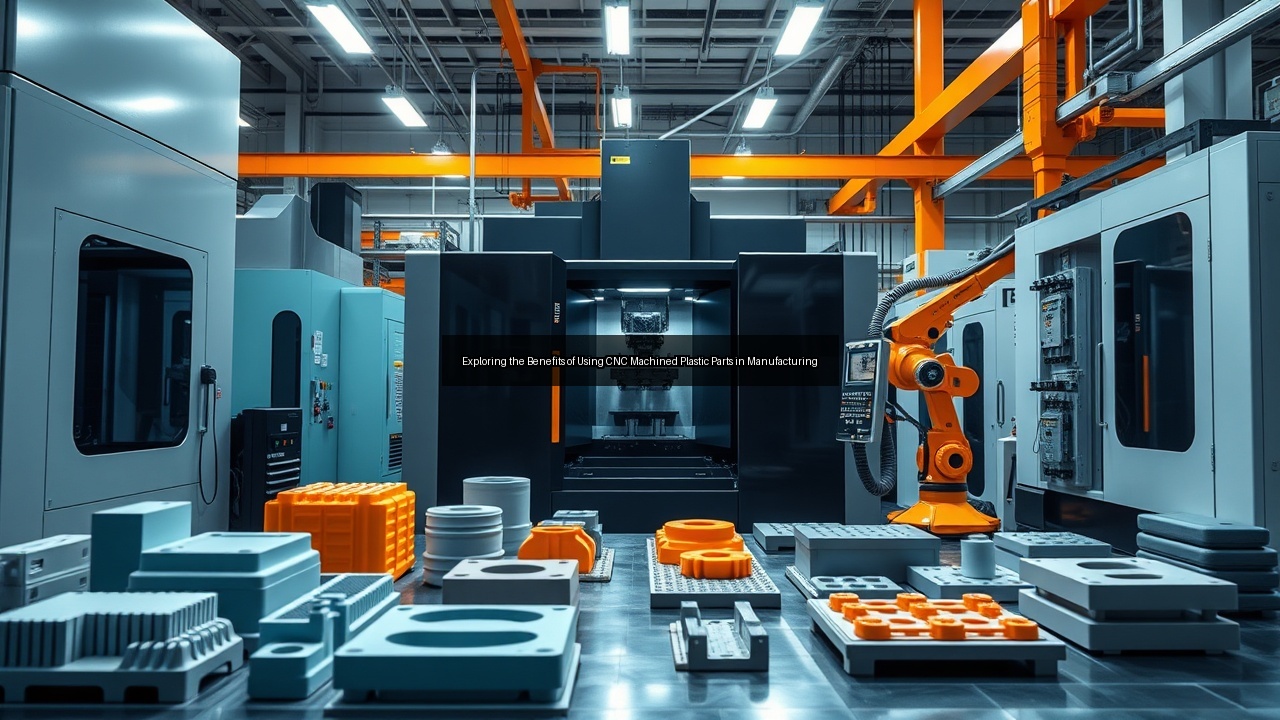
CNC machinery revolutionizes the world of plastic fabrication by providing precision, efficiency, and versatility. CNC stands for Computer Numerical Control, a technology that automates the control of machining tools through a computer program. This process allows machinists to create complex shapes and designs that would be difficult or impossible to achieve manually. The applications of CNC machining extend across various industries, including automotive, aerospace, medical, and consumer products. For manufacturing companies, utilizing CNC machined plastic components means achieving high-quality results consistently, meeting the demands of modern production standards.
Key Advantages of CNC Machining for Plastic Parts
CNC machining offers numerous advantages when it comes to producing plastic parts. One of the most significant benefits is the ability to achieve tight tolerances. Tolerances refer to the allowable limits of variation in a manufactured part, and with CNC technology, manufacturers can produce components that meet exact specifications. This precision minimizes the risk of errors and enhances product reliability. Additionally, CNC machining enhances production speed. Automated processes reduce the time from design to finished product while maintaining quality. The flexibility of CNC machines allows manufacturers to quickly adapt to design changes or new product lines, ensuring they remain competitive in a fast-paced market.
How CNC Machining Enhances Precision in Manufacturing
Precision in manufacturing is critical, especially when creating machined plastic components that must fit perfectly within larger assemblies. CNC machining enhances precision through its ability to execute complex designs with consistent accuracy. The use of advanced software enables machinists to program intricate patterns and dimensions that traditional methods struggle to replicate. Moreover, CNC machines operate with minimal human intervention, which reduces the likelihood of human error. This level of precision not only improves the quality of the final product but also streamlines the production process, resulting in reduced waste and cost savings for manufacturers.
Engineering Plastics: The Material of Choice
Exploring Different Types of Engineering Plastics
Engineering plastics serve as the backbone of many CNC machined plastic components because of their superior mechanical properties and durability. Common types of engineering plastics include ABS (Acrylonitrile Butadiene Styrene), Nylon, Polycarbonate, and PEEK (Polyether Ether Ketone). Each material offers unique benefits tailored to plastic cnc machined components specific applications. For instance, Nylon is known for its excellent wear resistance and strength, making it ideal for mechanical parts. Polycarbonate provides outstanding impact resistance, while PEEK offers high thermal stability. Understanding the characteristics of these cnc machined plastic parts materials allows manufacturers to select the right type for their specific needs, ensuring optimal performance and longevity of the machined plastic parts.
Benefits of Using Composites in CNC Machined Components
Composites combine two or more materials to create a product with enhanced properties. In the context of CNC machining, using composite materials in machined plastic components can significantly improve strength, stiffness, and thermal resistance. These benefits allow manufacturers to design lightweight yet robust parts that can withstand demanding environments. For example, carbon fiber reinforced plastics provide exceptional strength-to-weight ratios, making them a popular choice in aerospace and automotive applications. By leveraging composites, companies can push the limits of design and functionality, resulting in innovative solutions that cater to various industry needs.
Selecting the Right Material for Specific Applications
Choosing the right material for CNC machined plastic components is crucial for achieving the desired performance and durability. Factors such as temperature resistance, chemical exposure, and mechanical stress must all be considered. For applications requiring high-temperature resistance, materials like PEEK or Polyphenylene Sulfide (PPS) may be ideal. Conversely, for parts exposed to chemicals or solvents, materials such as PTFE (Teflon) offer excellent chemical resistance. Manufacturers must evaluate the end-use conditions and operational requirements to ensure they select the most appropriate engineering plastic. By making informed material choices, companies can enhance the reliability and effectiveness of their machined plastic parts.
Quality Assurance in Machined Plastic Parts
Importance of Specifications and Tolerances
Quality assurance plays a vital role in the production of CNC machined plastic components. Establishing clear specifications and tolerances is essential for ensuring that parts meet design requirements and function as intended. Tolerances define the acceptable limits of variation in dimensions, and tight tolerances often lead to higher performance and greater reliability in applications. Manufacturers must implement thorough inspection processes to verify that each component adheres to specified tolerances. Utilizing advanced measurement tools and techniques allows companies to maintain high quality standards and deliver products that consistently meet or exceed customer expectations.
Surface Finishing and Treatment Techniques
Surface finishing and treatment techniques significantly impact the quality and performance of machined plastic parts. These processes enhance the aesthetic appeal, durability, and functionality of the final product. Common surface finishing techniques include sanding, polishing, and applying coatings. Each method contributes to achieving a specific surface quality, which can affect factors such as wear resistance and friction. Additionally, surface treatments such as anodizing or chemical etching can further improve the properties of plastic components. By investing in high-quality surface finishing, manufacturers ensure that their machined plastic parts not only look professional but also perform reliably in their intended applications.
Batch Production: Ensuring Consistency and Quality
Consistency in batch production is crucial for maintaining the quality of CNC machined plastic components. When manufacturers produce items in batches, they must ensure that each part meets the same specifications and quality standards. Implementing standardized processes and plastic cnc machined components utilizing CNC machinery helps achieve uniformity across all products. Regular quality control checks during production help identify any deviations from specifications early on, allowing for corrective actions to be taken. By focusing on consistent batch production, manufacturers can build a reputation for reliability plastic machined components and excellence in the marketplace, fostering customer loyalty and trust.
The Future of CNC Machined Plastic Components
Innovations in CNC Technology and Robotics
The future of CNC machined plastic components lies in the continued evolution of CNC technology and robotics. Innovations in automation and machine learning are paving the way for smarter and more efficient manufacturing processes. Enhanced CNC machines equipped with advanced software can now optimize cutting paths and reduce cycle times, further improving production efficiency. Robotics also plays a significant role, allowing for the handling of materials and finished products with precision and speed. These technological advancements will enable manufacturers to produce complex parts more quickly and at lower costs, reshaping the landscape of plastic fabrication.
Trends in Plastic Machining and Manufacturing
Several trends are emerging in the field of plastic machining and manufacturing, driven by advancements in materials and technology. The growing emphasis on sustainability is pushing manufacturers to explore biodegradable and recyclable plastics. Additionally, the integration of additive manufacturing techniques alongside traditional CNC machining is gaining popularity, allowing for hybrid approaches that maximize efficiency. As industries evolve, the demand for custom, low-volume production will increase, leading manufacturers to adopt agile production methods. Staying attuned to these trends will help companies remain competitive in the dynamic market of CNC machined plastic components.
The Role of Manufacturers in Advancing Machined Plastics
Manufacturers play a crucial role in advancing the field of machined plastics by investing in research and development, exploring new materials, and enhancing production techniques. Collaborating with material scientists, engineers, and technology experts allows manufacturers to push the boundaries of what is possible with CNC machined plastic components. By focusing on innovation, companies can develop new products that meet emerging market needs and drive growth. Furthermore, actively participating in industry forums and trade shows helps manufacturers stay informed about the latest trends and technologies, ensuring they remain leaders in the field of plastic fabrication.