Why Every Truck and Trailer Should Have an Automatic Lubrication System
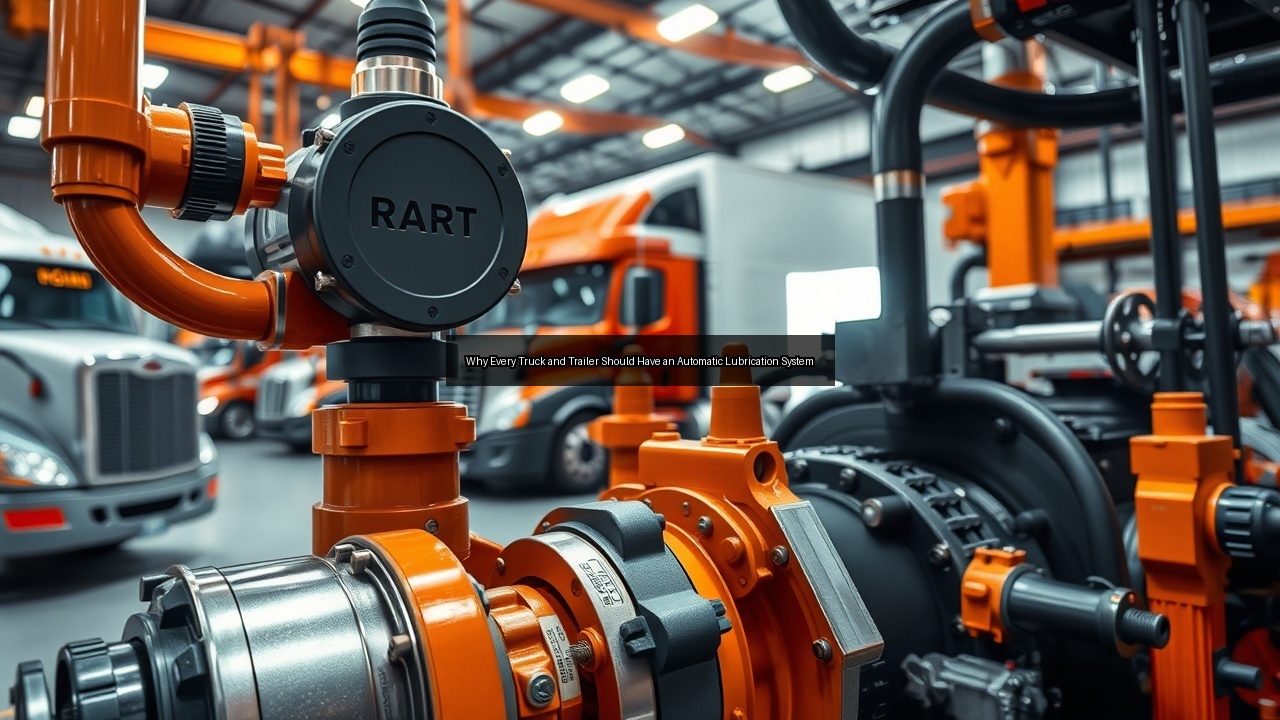
The Importance of Automatic Lubrication Systems in Trucks and Trailers
Enhancing Reliability and Performance
Automatic lubrication systems play a pivotal role in enhancing the reliability and performance of trucks and trailers. These systems ensure that critical components, such as bearings and pumps, receive an optimal amount of lubricant consistently, minimizing the risk of mechanical failure. Reliable lubrication directly affects the operational efficiency of vehicles, allowing them to perform better under various conditions. When components operate smoothly, trucks and trailers can maintain their speed and load-carrying capacity, which is vital for businesses that depend on timely deliveries. Regular manual lubrication is often inconsistent, leading to potential dry spots and uneven wear. An automatic lubrication system eliminates this concern by providing a steady supply of lubricant, thus enhancing overall performance and productivity.
Reducing Maintenance Costs
Investing in an automatic lubrication system significantly reduces maintenance costs associated with trucks and trailers. Traditional lubrication methods require manual checks and frequent servicing, which can be labor-intensive and time-consuming. This manual approach often leads to over-lubrication or under-lubrication, both of which can cause additional wear and tear on components. By automating the lubrication process, companies can minimize labor costs while ensuring that the right amount of lubricant is applied at regular intervals. This consistent lubrication not only reduces the frequency of repairs and maintenance but also extends the lifespan of critical components like compressors and bearings. Ultimately, the savings generated from lower maintenance costs can be redirected into other areas of operation.
Minimizing Repair Downtime
Downtime due to repairs can severely impact a fleet's efficiency and profitability. Automatic lubrication systems help minimize this downtime by significantly reducing the chances of unexpected mechanical failures. By ensuring auto lube system that every moving part is adequately lubricated, these systems extend the lifespan of critical components, which in turn leads to fewer repairs and maintenance events. When repairs do become necessary, the system's condition monitoring capabilities can help identify issues early, allowing for scheduled maintenance rather than emergency repairs. This automatic lube system proactive approach ensures that trucks and trailers spend more time on the road and less time in the repair shop, thereby maximizing productivity.
How Automatic Lubrication Systems Work
Components of the System: Pumps and Greasers
An automatic lubrication system comprises various components, including pumps, greasers, and connectors. The pump serves as the heart of the lubrication system, delivering lubricant through a network of hoses to different lubrication points throughout the truck or trailer. Greasers apply the lubricant precisely where it is needed, ensuring that every bearing and moving part receives the right amount of lubrication. The design of these components allows for flexibility and customization based on the specific requirements of a vehicle. These systems can be configured to accommodate various types of lubricants, whether oil or grease, and can cater to different lubrication intervals and quantities, making them suitable for diverse applications in trucks and trailers.
Understanding Lubricant Quantity and Pressure
Effective lubrication relies on the correct quantity and pressure of the lubricant delivered to each component. An automatic lubrication system is designed to maintain optimal pressure, ensuring that lubricant reaches all necessary parts without leaks or wastage. Sensors within the system can monitor the quantity of lubricant dispensed, allowing for real-time adjustments based on operating conditions. This level of precision prevents the over-application of lubricant, which can lead to mess and spills, as well as under-application, which can cause components to wear out prematurely. By managing both quantity and pressure, these systems optimize lubrication efficiency and contribute to the overall reliability of trucks and trailers.
The Role of Condition Monitoring in Automation
Condition monitoring is an essential aspect of automatic lubrication systems. These systems often integrate sensors and monitoring technology that continuously assess the condition of critical components. By analyzing data related to lubricant levels, pressure, and component wear, the system can provide insights into when maintenance is necessary. This real-time monitoring allows fleet managers to make informed decisions regarding service schedules, further reducing the risk of costly breakdowns. Additionally, condition monitoring can identify trends in equipment performance, helping to predict potential failures before they occur. This proactive approach to maintenance enhances reliability and extends the lifespan of trucks and trailers.
Benefits of Implementing Automatic Lubrication Systems
Increased Equipment Lifespan
Implementing an automatic lubrication system significantly increases the lifespan of trucks and trailers. Consistent lubrication reduces friction between moving parts, which is a primary cause of wear and tear. By ensuring that bearings, pumps, and other critical components receive adequate lubrication, automatic grease system these systems prevent premature failures that could lead to costly repairs. A well-maintained vehicle not only operates more efficiently but also retains its value over time. Fleet operators can expect a return on investment by extending the life of their vehicles, minimizing the frequency of replacements, and reducing capital expenditures related to new equipment purchases.
Improved Efficiency in Maintenance
Automatic lubrication systems improve the efficiency of maintenance operations. By automating the lubrication process, maintenance crews can focus on other critical tasks rather than spending time on manual lubrication. This frees up valuable labor hours, allowing teams to work on more complex repairs and preventative measures. Additionally, the integration of condition monitoring technology helps streamline maintenance schedules. By receiving alerts about necessary maintenance actions, operators can plan repairs during scheduled downtimes, thereby minimizing disruptions to operations. This efficiency translates into better productivity for fleets, as they can keep vehicles on the road and maximize service delivery.
Streamlined Lubrication Processes for Data Centers
While the focus here is on trucks and trailers, it's worth noting that the benefits of automatic lubrication systems extend to other industries, including data centers. Automated lubrication ensures that crucial equipment operates smoothly, which is essential for maintaining the performance of servers and cooling systems. Similar to vehicles, data center equipment requires regular lubrication to function effectively. By implementing automatic lubrication solutions, data centers can enhance reliability, reduce operational costs, and minimize the risk of downtime. This cross-industry applicability showcases the versatility and importance of automated lubrication in various settings.
Choosing the Right Automatic Lubrication System
Comparing Brands and Technologies
Selecting the right automatic lubrication system requires careful consideration of available brands and technologies. Numerous manufacturers offer various products, each with unique features and capabilities. When comparing brands, assess their reputation for reliability and performance. Look for customer testimonials and case studies that demonstrate the effectiveness of their systems. Additionally, consider the technology used in their automatic lubricators. Advanced systems may incorporate IoT connectivity for remote monitoring, while others may focus on simplicity and ease of use. Understanding your specific lubrication needs will help you choose a system that aligns with your operational goals.
Evaluating Lube Solutions for Trucks and Trailers
When evaluating lube solutions specifically for trucks and trailers, consider factors such as compatibility, capacity, and scalability. Ensure that the lubrication system can handle the types of lubricants used in your fleet, whether oil or automatic grease system grease, and confirm that it can accommodate the varying requirements of different vehicles. Capacity is another critical consideration; the system should be able to hold enough lubricant to reduce the frequency of refills. Scalability is also essential for fleets that plan to expand their operations. A well-chosen lubrication solution will grow with your fleet, making it a worthwhile investment.
Key Features to Look for in Lubrication Equipment
Identifying key features in lubrication equipment is crucial for making an informed decision. Look for systems that offer adjustable lubrication intervals and customizable settings for different components. Features like condition monitoring, pressure sensors, and alert systems enhance the effectiveness of the lubrication process. Compatibility with existing infrastructure is another important factor; ensure that the system can be integrated seamlessly with your current maintenance operations. Finally, consider the ease of installation and maintenance of the lubrication equipment. A user-friendly system minimizes training time and encourages prompt adoption, leading to immediate benefits in reliability and efficiency.
See Also
- Integrating Automatic Lubrication with Condition Monitoring for Optimal Results
- Innovations in Lube Systems How Technology is Changing the Game
- A Deep Dive into the Technology Behind Automatic Lubricators
- The Future of Maintenance How Automatic Lubrication Systems Revolutionize Performance
- The Impact of Automation on Repair and Maintenance Costs